
Recent Posts

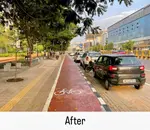
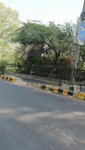

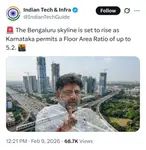





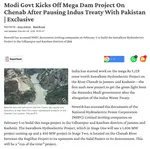
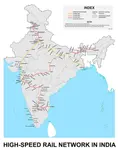
Goverment is finally beginning to show focus on go...
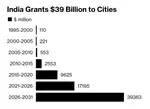



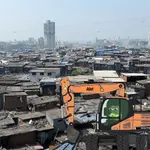



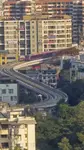
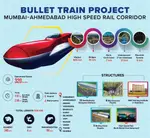





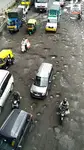

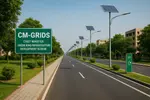










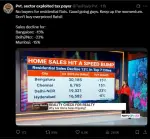
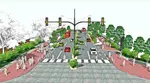


Was almost happy then realize


y6mr0s
No.1110
the absolute state of our city infras. African cities with half the pci have better walkable infra.
The realization that Delhi with major river passing through it has 'water scarcity' at moments.
And people, babus, politicians unserious about the state of our cities.
FSSAI failing with brands selling substandard shit.
RW6IFp
No.1111
>>1110(OP)
We are fixing it anon. One thing at s time. India is an elephant. It moves slow
But once it gathers momentum, its unstoppable.
RW6IFp
No.1112
>>1110(OP)
The fixing will involve a lot of bad events too
https://www.amazon.in/Chalta-Hai-India-When-Its/dp/9388038665/


rAN7WJ
No.1113
>>1110(OP)
African, Afghan, etc. Cities look good because they don't really utilize them.
Indians utilize cities to their fullest (and overuse them).
Can't have plastic trash in Africa if nobody is able to produce/manufcature plastic goods/packaging
y6mr0s
No.1114
>>1111
Real but i do think we need some big serious reforms. Imagine if certain minister goes on live tv
>starts doing Pindia challenge
>then explains what we lack
>then explains how long it will take
>how they are planning
>what will place be like for few years.
Someone who has just this mentality of doer. Someone like ashwini vaishnaw with shah type guts.
y6mr0s
No.1115
>>1112
qrd about the link sirs.
>The fixing will involve a lot of bad events too
Yes that's why we need someone who can literally tell on face that it will be one hell of an effort. and in the mid terms things will take time.
y6mr0s
No.1116
>>1113
That's true too but not an excuse, we should improve the system to meet the demands. It's not that we can't do it. In this very board we have examples of Pune society which created walkable infra, greenary and all.
Then there are sarkari stuff.
soYAZd
No.1117
y6mr0s
No.1118

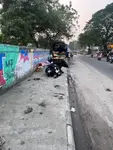

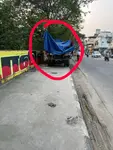
This is from chennai
>sidwalk taken over by cattle, filled with cowshit
>random poles on the sidewalk
>truck parked on sidewalk
>sidewalk reduced to less than 30centimeters of width with drain, dirt clogging around it
there are machines which they can clean, there's no support for specially abled people. entire surrounding invokes a complete lack of apathy towards the human life, its dignity.
y6mr0s
No.1119
>>1117
broatul
RW6IFp
No.1120
>>1115
Chalta Hai India: When ‘It’s Ok!’ is Not Ok by Alpesh Patel is a critical examination of the pervasive Indian mindset encapsulated by the phrase “Chalta Hai”—meaning “It’s okay” or “Let it be.” The book explores whether this attitude, often seen as a cultural trait, is hindering India’s progress and its potential to become a global power.
Patel traces the roots of this mindset through India’s three-thousand-year cultural, ideological, and political history, analyzing its impact across key sectors like infrastructure, education, sports, and cinema. He contrasts India’s past global dominance—when it held 30% of the world’s GDP—with its current status as a developing nation, questioning if the Chalta Hai attitude is ingrained in the national psyche or merely a habit that can be changed.
The book presents evidence of widespread complacency—such as poor road discipline, substandard public services, and lack of quality focus—while also highlighting exceptions of excellence. It argues that while jugaad (frugal innovation) emerged from necessity during India’s socialist era, it has now become a justification for mediocrity. Patel concludes with actionable suggestions to overcome this mindset and drive national transformation.
RW6IFp
No.1121
There are no consequences for people not doing their jobs or doing them badly.
So people who lie cheat and steal, technically are rewarded and honest ones are idiots.
>>1118
Its improving in cities where BJP has a stronghold.
A political party is motivated by its voters priorities. If Bhangilore Congress wins due to Muslim votes from Bangladeshis , then you see more of that and less of development.
y6mr0s
No.1122
>>1120
very interesting i will check it out. thank you anan.
>>1121
i see changes but in limited sections thanks to smart city, it was a good scheme they should have iterated upon and moved further instead of shutting it down.
>If Bhangilore Congress wins due to Muslim votes from Bangladeshis , then you see more of that and less of development.
brootal


um66Pv
No.1124
>>1110(OP)
what was your bhosdapill origin story fagyaush? You wuzz super hopepilled on endia 2 months ago (maybe 3). tell bolo
RW6IFp
No.1125
>>1122
Why smart cities failed ? Because before it is smart, it needs basic infra. Like water and electricity. Most cities used SMART funds for that.
Not to mention at a Municipal level, curroption is so high that most of the money is lost.
RW6IFp
No.1132

>>1125
Reform starts at Municipal level. The cleaners and others who get contracts, do their jobs. Police reforms are implemented. Laws are actually implemented.
Most of this is too boring for most people. But this is real progress. Crores on big infra is just white washing the real rot.
y6mr0s
No.1137
>>1125
>Because before it is smart, it needs basic infra. L
it's a misnomer who fall for 'smart' part. in fact it focused on lots of basics - garbage disposal, waste management, walkable infra, using tech to track offenders etc. there's more details in the documents in cpg of infra check there.
y6mr0s
No.1138
>>1137
one of the best thing about smart city program was having SPV for city, and that working to implement solutions it was a good idea we should have doubled down.
y6mr0s
No.1139
>>1124
i have diverse set of viewpoints saar but overall i am optimistic about our trajectory
E3/utW
No.1140
>>1132
>vidrel
>Amreeka india ke paas ayega line lagake
Ye khusat buddha bas sapne bechta hai, yahan already itne log line mein khade h job aur education ke liye aur ye bolra h ke amereekan ayenge yahan. Being ambitious is ok but being a prime minister one must be practical
RW6IFp
No.1146
>>1137
The smart part was real. It just fell through after a survey of Indian cities.
>>1138
We will. Just not now. But I know for a fact, lot of Tier 2 cities will get this treatment from GOI. Tier 1's are not worth rescuing. Land acquisition is too painful and expensive.
>>1140
Go back to stoodying for exam and failing.
NV0p3E
No.1147
>>1110(OP)
Be the change you want to see instead of complaining 24/7 like some luddite anti nationalist
RW6IFp
No.1151
Underrated way of nation building
do not spit pan/pan masala/ etc
do not litter the streets
do not speak in Hingilsh and other trash languages
Dkv5mP
No.1152
>>1132
>Reform starts at Municipal level.
This more than anything else. Anons will whine a lot about shitholes they live in but refuse to do anything locally about it. All this low t whining is very annoying.
Dkv5mP
No.1153
>>1151
Trvke
EtbRMb
No.1158
>>1110(OP)
Ban this antinazhnul dayuus