Recent Posts











Goverment is finally beginning to show focus on go...




































1TrcAA
No.596
JDA Master Plan 2025 for Jaipur: The Layman's Guide to Making (and Losing) Money
What Is the JDA Master Plan?
The Jaipur Development Authority (JDA) Master Plan 2025 is the official roadmap showing how Jaipur will expand and develop—where housing, business, industry, forests, and roads will be built. Think of it as a giant city blueprint to organize future growth, improve infrastructure, and manage land use efficiently[1].
Key Elements of the Master Plan—Explained Simply
- Zones: Jaipur is divided into residential (housing), commercial (shops/offices), industrial (factories), special economic zones (SEZs), eco/forest areas, institutional (schools/hospitals), and recreation (parks).
- Infrastructure Projects:
- Ring Roads: New highways looping around the city for faster travel.
- Widened Roads: Making existing roads bigger to handle more traffic.
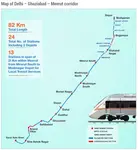
- Metro: The Metro Phase I, focusing on urban transport.
- Transit-Oriented Development (TOD): High-value land use near metro/bus/rail stations for easy residential and commercial access.
- Growth Areas:
- Prithvi Raj Nagar, Mansarovar, Vaishali Nagar, and newly planned corridors around SEZs and metro lines.
Resources & Opportunities for Small Investors
**Low-Cost, High-Potential Bets ("Easy Money"—But With Risks)**
- Buy Land Near Planned Roads or Metro Lines
Land values often rise when close to future infrastructure. If you can buy today (even in the "grey"), prices typically shoot up after announcements[1].
- Small Commercial Spaces in Expanding Suburbs
Shops/offices in new residential townships will have growing demand as populations increase.
- Flats or Plots in JDA-Approved (or Soon-to-be-Approved) Townships
Legal properties closest to the city, especially near new roads, tend to appreciate the most.
**Invalid/Grey–High-Risk But High-Return (NOT Endorsement—Just Facts)**
- Speculative Buying in Agricultural/Falling Zones
Buying farm land at the edge of the building zone and betting it will be converted, though this is risky and often illegal.
- Unofficial Plots or Colonies
Some buy cheap in unauthorized colonies, expecting regularization later. Officials may eventually legalize them, but it's a gamble and comes with risk of demolition or penalties.
- Buying in Ecological/Government Reserve Areas "on paper"
Sellers may pitch these as "inevitable conversions." This is often false—such areas rarely get legalized, and investments often get stuck.
Patterns, Antipatterns, and Street Smarts
**Patterns (What Works for Most Small Investors)**
- Buy before government infrastructure (‘pre-announcement’ phase).
- Focus on areas near planned metro routes, ring roads, or major highways.
- Choose JDA-approved layouts to minimize legal risk.
- Partner with locals or brokers who deeply know which farm plots are “likely to be regularized.”
- Diversify: Mix legal property with a small “speculative” bet for higher gains (if you understand the risk).
**Antipatterns (What Usually Backfires—But Is Still Common)**
- Blindly trusting “hot tips” or word-of-mouth without verifying actual land use zoning.
- Investing in government reserved or ecological land, believing political changes will flip bans.
- Buying into colonies with zero chance of getting basic utilities or registry in the foreseeable future.
- Overleveraging yourself and being stuck when regulations suddenly tighten.
No-Nonsense Recommendations
- Best for Easy Legal Money:
Invest along the new ring road belt, especially in upcoming corridors, or in townships close to new metro or industrial zones[1].
- "Grey Area" Fast Money (But Not Advised):
Buy unofficial land near soon-to-be-developed zones, then sell upon rumors of notification/regularization—works only if you have high-risk appetite and strong local intel.
- Stay Clear Of:
Reserved, green, or waterbody zones, and areas with ongoing or threatened demolition drives.
- Tools You Can Use:
- JDA Master Plan maps for zone checks.
- Online portals listing JDA-approved projects and legal status checkers.
Final Word
Jaipur’s growth means real estate and small-ticket investments offer real chances to multiply your capital. However, every “gray” opportunity comes with matching risk: government crackdowns, sudden legal changes, and loss of initial money.
- For most, combining one safe, JDA-approved investment with any risky move is the smart play—never go all-in on speculation.
With sharp research and the right timing, the JDA Master Plan can be your ticket to strong returns. Just remember: what seems “easy” money often comes with strings attached[1].


IiybFy
No.598
>>596(OP)
Based we need more of this but since they are sarkari babus i will only believe when i see it.